
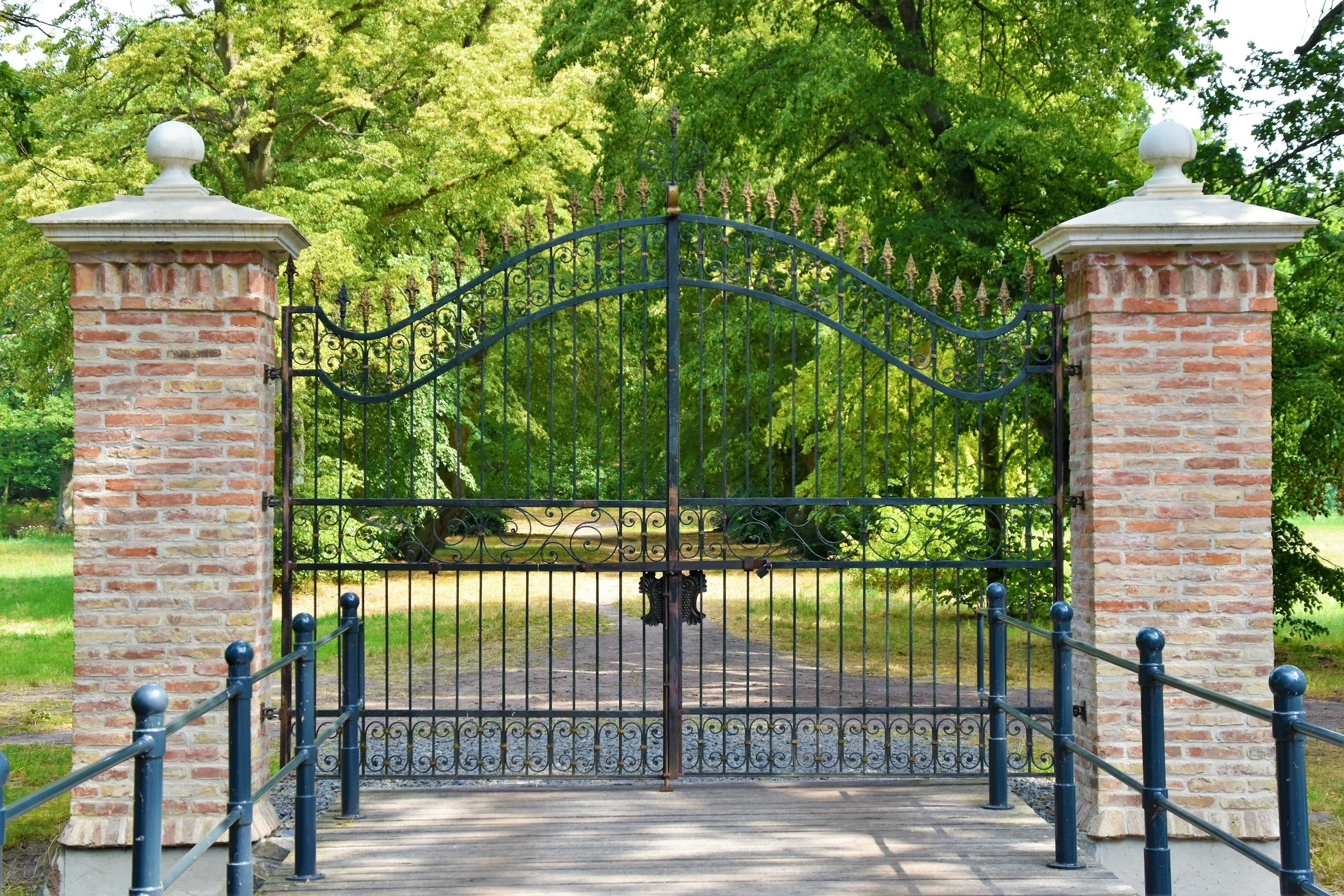
Our Thoughts On Being Gated
Fordham University Rose Hill is one of few privately owned and operated places in the five boroughs where you can see squirrels running on trees, sit in the grass in silence, and enjoy the cleanest air quality in the Bronx. This provides students with a picturesque college environment more reminiscent of a small New England arts school than a business school in one of the most busy cities in the world. While this is good for students, it has raised a lot of ethical questions about what it means to be on the outside of those gates. The Rose Hill campus is situated in the middle of the Fordham-Belmont neighborhood which the school is named after, a neighborhood historically below the poverty line and currently inhabited primarily by Black and brown minorities. Lots of scrutiny over the last few decades has been focused on the existence of a Catholic University supposedly dedicated to Ignatian service and mission having an exclusive, closed-off space in an area officially known as a food desert.
As for Fordham’s newer and more modern Lincoln Center campus: while much less intrusive on the environment, opting for a more vertical layout (really the only layout available, due to a premium on space in Manhattan) there is still a shocking history concerning the University space’s relationship with the area around it, or rather: under and behind it. As not too many students know, Fordham Lincoln Center was part of a massive project helmed by then-University President McGinley in collaboration with infamous New York Urban Planner Robert Moses in the mid 1950s. By 1968, four blocks of low-income housing inhabited primarily by Black and brown residents were razed to the ground; the people living there displaced. Along with the Lincoln Center Metropolitan Opera House and other developments in the area, Fordham University - Lincoln Center is what took its place. While these developments have been monumental for art and for education—especially in the theater and law departments—it is impossible to overlook what it took to get there, and Fordham’s role in the erasure of a vibrant neighborhood is unforgettable.
————— ✦ —————
We on the team at CURA Magazine want to formally acknowledge our part of an enclosed and problematic campus system. Despite the pride we have for our school, we find it unacceptable to gloss over the facts of Fordham’s spatial history, and in response to it, are looking to do what we can to further connect with the community around us in a way that is inclusive. CURA’s open submission policy is one way that we are trying to open up horizons and bring the good of Fordham University to everybody—in New York City or even elsewhere. While we recognize that this does not scratch the surface in terms of making up for the detrimental impact Fordham University has had throughout its existence, we believe it is one small step towards closing the gap between those within the gates and those outside of them.